What is Ksalol Alprazolam 1mg used for?
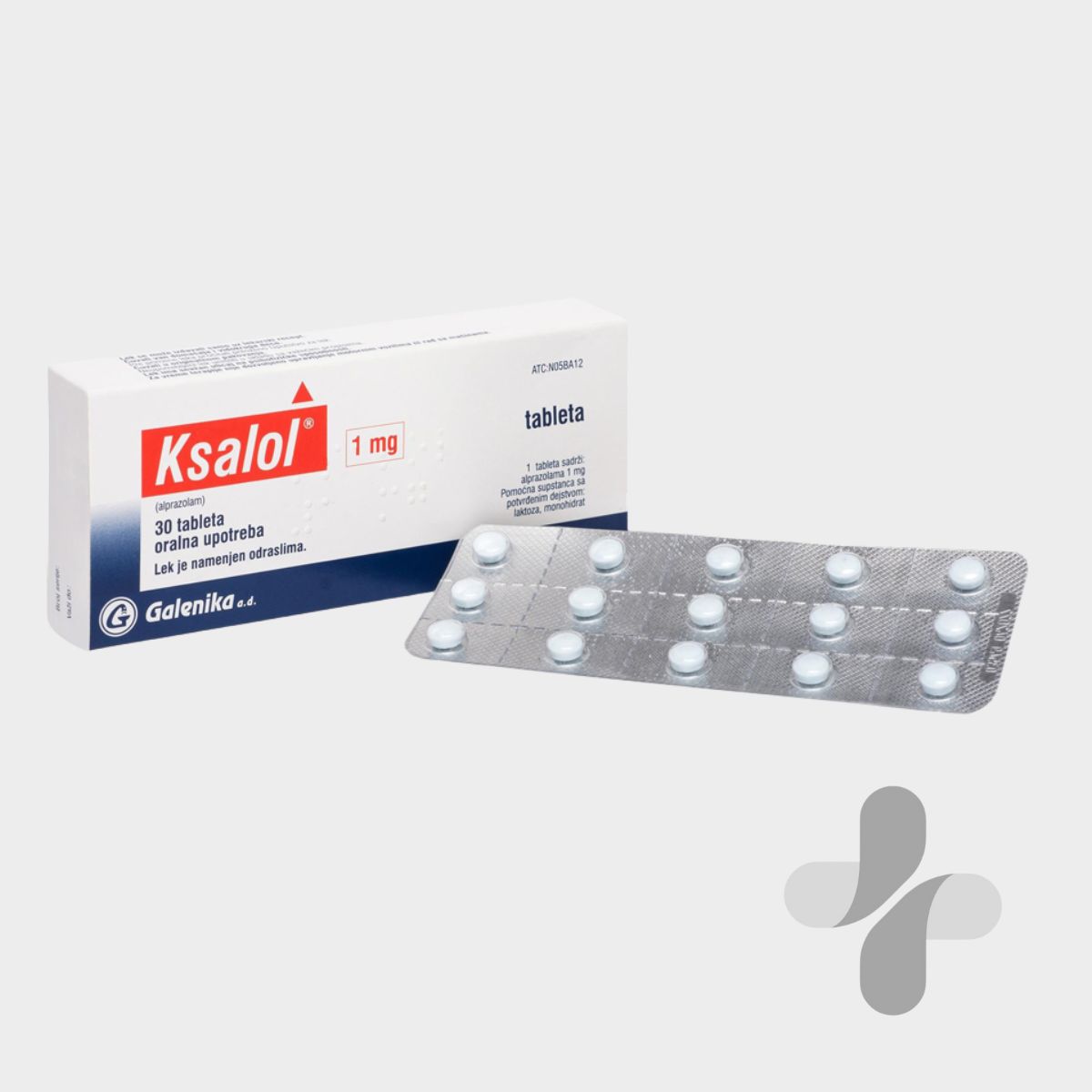
Ksalol Alprazolam 1mg is prescribed for the treatment of anxiety disorders and panic attacks that interfere with daily life. It helps people who experience persistent nervousness, overwhelming stress, or sudden panic episodes by calming excessive brain activity. Use of this medication is always based on a medical assessment to ensure it is appropriate and safe.
How does Ksalol Alprazolam 1mg work?
Alprazolam increases the activity of GABA, a neurotransmitter that naturally slows nerve signals in the brain. By enhancing this calming effect, Ksalol 1mg helps reduce anxiety, restlessness, and tension, allowing the nervous system to settle and symptoms to become more manageable.
Who may be prescribed Ksalol Alprazolam 1mg?
This strength may be prescribed to adults with moderate to severe anxiety or panic disorder, particularly when symptoms are persistent and lower doses have not been effective. Doctors individualize dosing and often start new or sensitive patients on lower strengths before considering 1mg.
How quickly does Ksalol Alprazolam 1mg start working?
Many people notice calming effects within 30 to 60 minutes. The exact onset can vary depending on factors such as metabolism, body weight, food intake, and individual sensitivity to benzodiazepines.
Is Ksalol Alprazolam 1mg suitable for first-time users?
This dosage is not usually a first-line starting dose. Most patients begin with a lower strength to assess tolerance. Ksalol 1mg is typically prescribed only when milder doses do not provide sufficient symptom relief.
What side effects may occur with Ksalol Alprazolam 1mg?
Possible side effects include drowsiness, dizziness, reduced alertness, slowed coordination, memory difficulties, and confusion. These effects may interfere with tasks that require concentration, such as driving or operating machinery. Side effects should be discussed with a healthcare professional if they persist or worsen.
Can Ksalol Alprazolam 1mg be taken with other medications?
Some medicines can interact with alprazolam, including alcohol, sleep aids, opioid painkillers, antihistamines, and other sedatives. Combining these can increase the risk of excessive sedation and slowed breathing. Always inform your doctor about all medications and supplements you are taking.
How long do the effects of Ksalol Alprazolam 1mg last?
The effects usually last for several hours, though duration varies between individuals. Factors such as tolerance, metabolism, and liver function can influence how long symptom relief is felt.
Is it safe to drive after taking Ksalol Alprazolam 1mg?
Driving or operating machinery is generally not recommended, as alprazolam can impair judgement, reaction time, and coordination, even if you feel awake.
Can Ksalol Alprazolam 1mg cause dependence?
Yes. Like other benzodiazepines, alprazolam carries a risk of tolerance and dependence, particularly with long-term or frequent use. Doctors usually prescribe it for short periods and monitor treatment closely.
What should be avoided while taking Ksalol Alprazolam 1mg?
Alcohol, recreational drugs, and other sedative medications should be avoided unless approved by a healthcare professional. Some over-the-counter sleep or cold remedies may also increase drowsiness and should be used with caution.
How should Ksalol Alprazolam 1mg be stored?
Store the tablets in a cool, dry place, away from heat, moisture, and direct sunlight. Keep them securely out of reach of children and anyone without a prescription.
What should I do if I miss a dose of Ksalol Alprazolam 1mg?
If a dose is missed, skip it if the next dose is due soon. Do not take a double dose to make up for the missed one. Follow your prescriber’s advice for ongoing treatment.
Can stopping Ksalol Alprazolam 1mg suddenly cause withdrawal?
Yes. Sudden discontinuation may cause withdrawal symptoms such as anxiety, restlessness, sleep problems, or tremors. Doctors usually recommend gradually reducing the dose.
Is long-term use of Ksalol Alprazolam 1mg recommended?
Long-term use is generally avoided due to dependence risks. Regular medical reviews help determine whether continued use is necessary or if alternative anxiety management strategies should be considered.

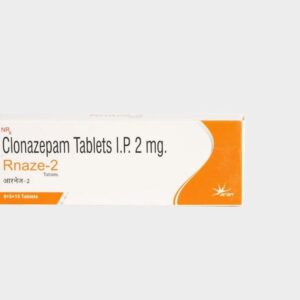
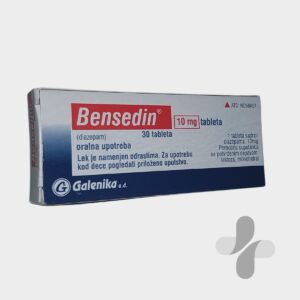
Reviews
There are no reviews yet.